The 300hp Dilemma: The Legend and Limit of the Volvo B5254T4
The internal combustion engine is often an exercise in compromise. For Volvo, the pinnacle of their five-cylinder engineering (the B5254T4 in the hot R-Design models) was a perfect example of this duality: a masterpiece of sound and power, yet famous for a single, critical vulnerability.
This engine wasn't just another variant in Volvo's modular “Whiteblock” family; it was the heart of the halo cars, the first-generation P2-platform S60 R and V70 R (2004–2007). In its stock form, the B5254T4 delivered a thrilling 300 horsepower and 295lb-ft of torque, channeling its power through sophisticated Haldex All-Wheel Drive and the FOUR-C active suspension system.
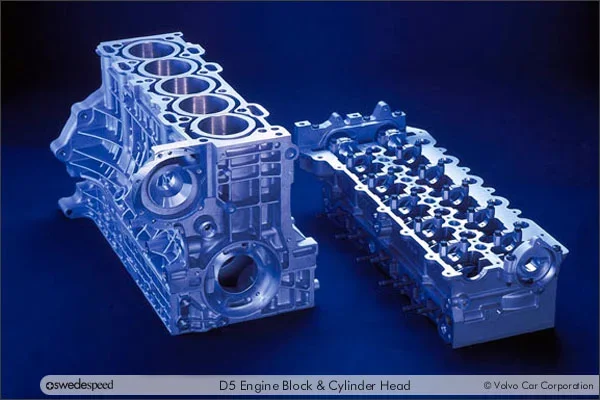
The B5254T4 was a 2.5-litre inline-five, built with an aluminum block and cylinder head. The signature five-cylinder configuration gave the car a unique, deep growl, often described as a muted, sophisticated scream - a sound instantly recognizable to enthusiasts.

Unlike the milder Low-Pressure Turbo (LPT) B5254T engines, the B5254T4 was a High-Pressure Turbo (HPT) beast, utilizing a large, integrated KKK K04 turbocharger and featuring dual Variable Valve Timing (VVT) on both the intake and exhaust camshafts. This aggressive setup, managed by the sophisticated Bosch engine control unit, pushed the engine to its maximum factory-specified performance.
The drama with the B5254T4 stem from its core design compromise: the pursuit of displacement. When Volvo engineered the high-performance R engine, they pushed displacement of the trusted 2.3-litre T5 block (B5234T) to 2.5-litres for more low-end torque by increasing the bore size. However, this required shrinking the space between the cylinder liners.
This increase in bore led to dangerously thin cylinder walls and narrow cylinder bridges. While the engine was perfectly reliable at the factory 300hp limit, any significant increase in boost or power that caused detonation (engine knock) could lead to the cylinder liners shifting or, worse, cracking the block itself.
This weakness turned the B5254T4 into a cautionary tale. For many owners, the 300hp ceiling was not a suggestion but a necessity, making any journey into high-level tuning an expensive and risky venture unless the block was first reinforced through processes like sleeving or shimming—a full engine rebuild procedure.
The B5254T4 is thus more than just an engine; it's a piece of performance history defined by its glorious sound, its thrilling stock power, and the mechanical weakness that stands as the ultimate gatekeeper to true high-horsepower glory. It represents the delicate line between factory-safe power and the demands of the aftermarket tuner.