Nu metal: the new engines replacing old favourites
For the last 25 years when enthusiasts wanted to engine swap their car they really chose from a handful of engines: the bulletproof Toyota JZ donks, the screaming Nissan RB26DETT or SR20DET, the omnipresent LS, and (more recently) the Aussie Ford Barra. Thanks to their common availability and being reliable routes to serious power they grew a massive aftermarket to support them, making swapping them into random cars easier than ever.
But the game is changing. The newest RB, SR and 2JZ are almost 25 years-old, while the Barra ended production in 2016, and the LS is being phased out in favour of the direct-injected Gen V LT V8. With so many having been blown up or being put back into the collector cars they once came in, the rarity of good engines are driving prices up, making their appeal much more limited. As enthusiasts look to the easiest ways to make power there are a clutch of new-school engines offer a compelling mix of factory performance, lightweight design, and out-of-the-box electronic integration the old guard struggle to match.
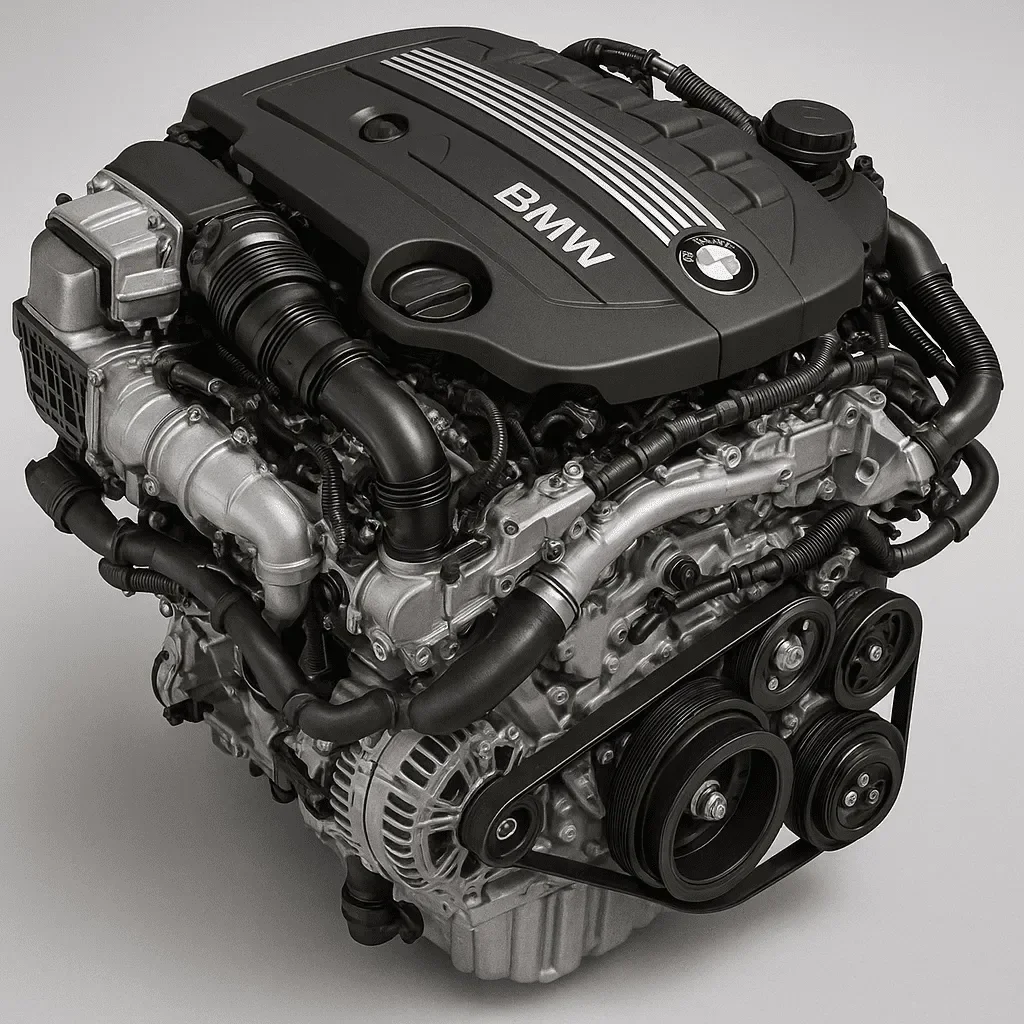
1. The Torque Monster Diesel: BMW N57 Straight-Six
The BMW N57 offers something entirely different to diesel engines or I6 petrol engines you might have looked at before. This modern turbo 3L packs all the monster torque of a traditional diesel but in a lightweight, compact aluminum package.
The N57 is a turbo 3.0L inline-six diesel that, even in its twin-turbo form (N57D30T2), is an aluminum block with a dry weight of only about 185kg (408lbs). This is roughly the same weight as a 2JZ- GTE, but with vastly superior torque and much newer tech.
An ECU tune on the twin-turbo N57D30 can easily deliver 250kW (340hp) and a massive 750Nm (553lb ft) of torque. It’s an engine tailor-made for heavy 4x4s, comfortable cruisers, and vehicles needing reliable, instant thrust. Plus it’s smooth, quiet and efficient.
The N57’s appeal also stems from the fact many come with ZF 8HP automatic transmissions — arguably the best modern performance automatic. Swapping the engine and transmission as a single, electronically-controlled unit is becoming the new standard for many enthusiasts who don’t want to deal with the huge weight and cost of traditional diesel engines like the Duramax, Cummins, CAT, or Powerstroke.
You can read more about the N57 variants and specifications HERE on Swap Genie.
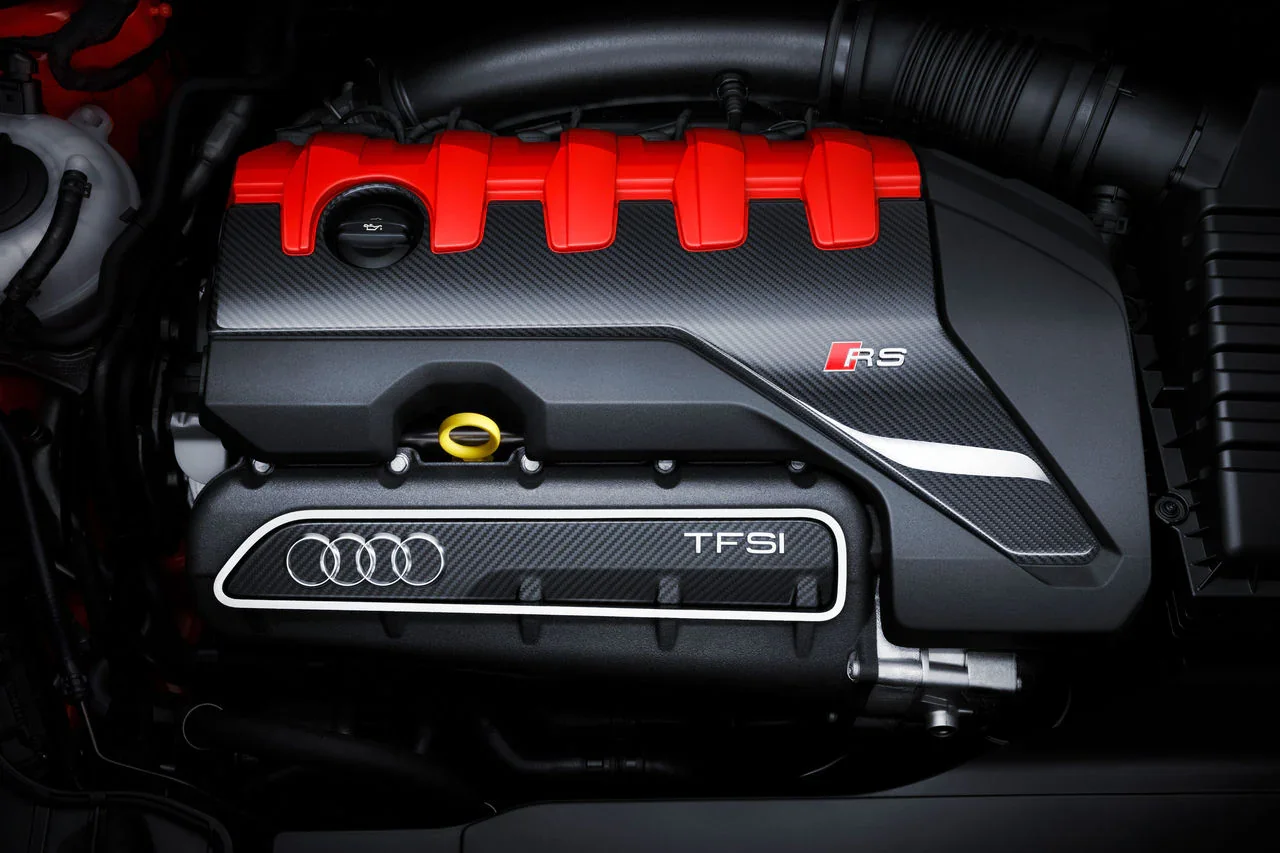
2. Exotic APPEAL: Audi DAZA Five-Cylinder
While the JZ and RB I6s gave us epic turbo-six sound, the DOHC turbo I5 DAZA gives us a new, exotic howl bundled with cutting-edge OEM engineering. When late-model RS3s can do 10-second quarter-mile time slips with mere bolt-on parts, how could you ignore it?
Pulled from the modern Audi RS3 and TT RS, the DAZA is an aluminum block version of the legendary Audi five-cylinder, which means it weighs in at just 160kg (353lbs) - a full 26 kg lighter than its cast-iron predecessor. This weight saving is huge for front-heavy swap platforms.
Stock, the DAZA makes 294kW (400hp) and with minor bolt-on modifications can soar past 500hp. For those swapping into smaller cars like a classic VW Golf, Audi Ur Quattro, or even an MX5, the combination of light weight, massive power, and that unmistakable 1-2-4-5-3 firing order sound is irresistible.
DAZA engines are highly prized and command a hefty price tag, making them a premium swap, but one that offers incredible performance straight out of the crate. As they’re only offered in front-drive fitments this can make rear=drive conversions more difficult and costly, while the combined port- and direct-injection fuelling requires a high-end ECU to drive it.
If you’d like to know more about Audi 5-cylinder engines, you can read the Swap Genie’s Engine-pedia story HERE.

3. The New American Heavyweight: Ford 7.3 Godzilla V8
The LS V8 achieved popularity through affordability and compact size, but now the Godzilla 7.3 is doing the same with big-block capacity in a small-block package. The 7.3 Godzilla is Ford's modern pushrod V8 designed for use in medium-duty F250 trucks and vans, meaning it has engineering foundations to run hard for hundreds of thousands of miles.
While massive in displacement (445ci), its pushrod architecture makes the Godzilla much more compact than Ford's other V8 range: the DOHC Coyote V8. These engines are rugged and simple, and
Stock, the Big Lizard puts down a conservative 430hp and 644Nm (475 lb ft), however, its forged crank and deep-skirt block mean it’s a natural for boost once the rods and cam are upgraded. Bolt-on blower and turbo kits instantly push output past 700hp, with some shops having made over 1100hp adding turbochargers and fuel to a dead-stock engine.
The Godzilla is the new swap king for classic Mustangs, Broncos, and hot rods looking for huge, atmospheric displacement without the packaging headaches of a Coyote, or big-block FE.
On top of cam and lifter failures in stock engines, the main challenge with Godzilla swaps is the chain-driven oil pump and complicated front-drive and sump assemblies. While the aftermarket can handle all of these issues it does involve additional costs, while the stock throttle body points upwards making bonnet (hood) clearance a challenge in some cars.
You can learn more about this modern old school V8 by reading our Engine-pedia article HERE on the Ford Godzilla 7.3.